Spotlighting Loyalty Tier Mechanics in Swedish-Regulated Mobile Betting Ecosystems
Skriven av Sam Keller · 2026-09-02
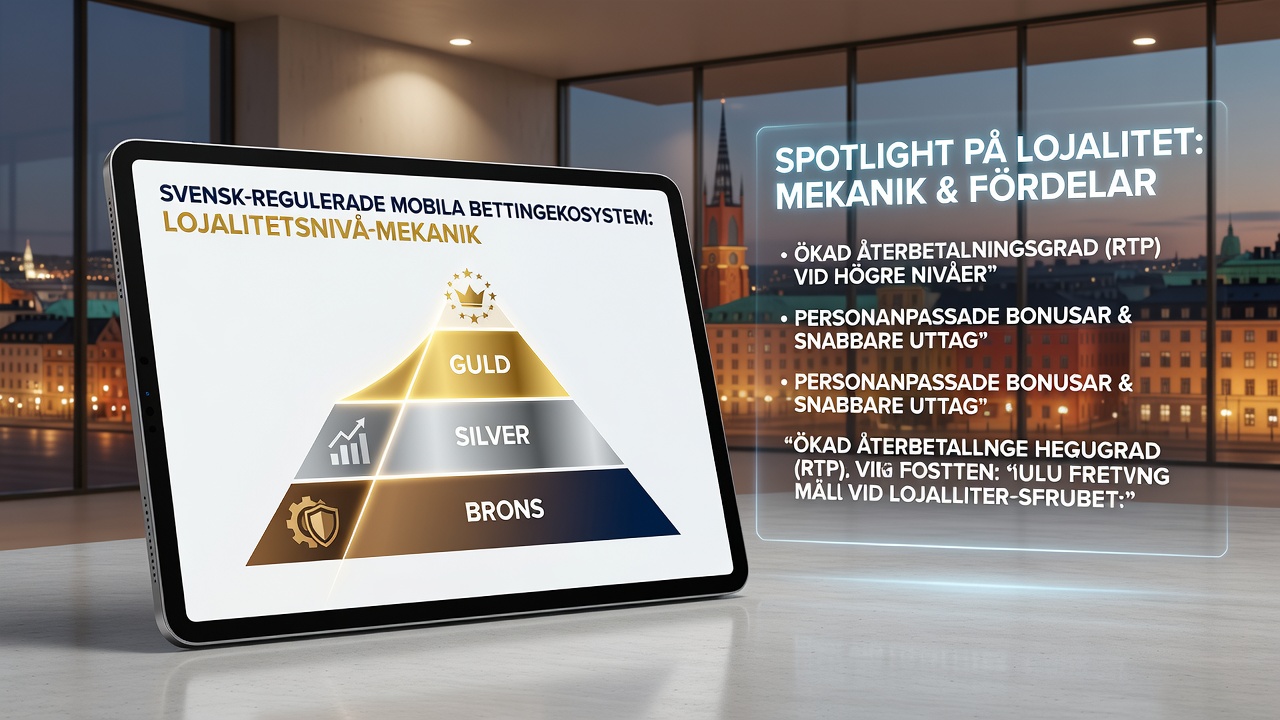
Spotlighting Loyalty Tier Mechanics in Swedish-Regulated Mobile Betting Ecosystems
Swedish-regulated mobile betting platforms operate under strict licensing requirements from Spelinspektionen, and loyalty tier mechanics form a core part of how operators structure player engagement while maintaining compliance; these systems track user activity through mobile apps, awarding points based on wager volume and frequency, then advancing participants through progressive levels that unlock specific rewards such as cashback percentages, free bets, and personalized support features.
Core Structure of Loyalty Tiers in Regulated Environments
Operators in the Swedish market design tier systems with clear progression criteria that align with national gambling regulations, where entry-level participation begins upon account verification and initial deposits, and higher tiers require cumulative betting activity measured in real-time through secure mobile interfaces; data from industry reports shows that many platforms calculate points using formulas that factor in stake amounts across sports betting and casino products, while excluding certain promotional plays to prevent artificial inflation of status.
Those who have examined these mechanics note that silver, gold, and platinum levels typically demand escalating thresholds, with silver often reached after modest monthly activity and platinum reserved for users exceeding substantial annual volumes, and each advancement triggers automated notifications within the app along with updated benefit summaries that detail exact reward multipliers available at that stage.
Mobile-Specific Implementation and Tracking
Mobile ecosystems enable seamless tier tracking through dedicated dashboards that display current points, next-level requirements, and historical activity logs, allowing users to monitor progress without desktop access; Swedish regulations mandate that all such features include responsible gambling prompts, so tier interfaces routinely integrate session timers and deposit limit reminders that activate during high-activity periods.
Research indicates that operators synchronize these systems with central player databases to ensure cross-device consistency, meaning activity logged on a smartphone contributes directly to tier status even if a user switches to tablet mid-session, and this integration supports compliance audits by providing regulators with verifiable data trails on reward distribution.
Regulatory Influences on Tier Mechanics
Spelinspektionen guidelines require loyalty programs to avoid elements that could encourage excessive play, so tier rewards emphasize time-limited offers and non-cash benefits rather than unlimited bonuses, and operators must submit detailed program descriptions during license renewals to demonstrate alignment with player protection standards; according to official documentation from the authority, any changes to tier structures undergo review to confirm they do not target vulnerable demographics.
What's interesting is how rules effective in September 2026 introduce enhanced transparency obligations, requiring apps to display projected reward values in monetary terms before users commit additional wagers toward tier advancement, and this adjustment builds on existing frameworks by mandating annual public summaries of loyalty program outcomes across licensed operators.
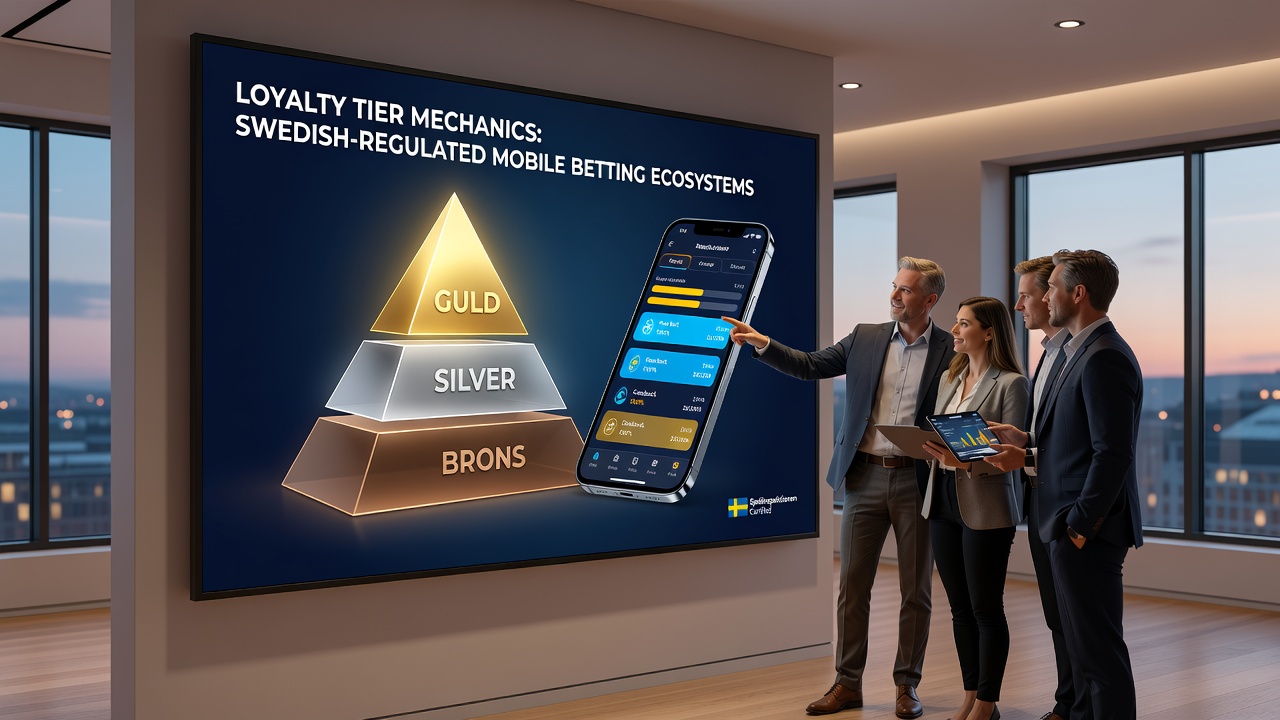
Examples of Reward Distribution and Progression
One study revealed that typical reward packages at mid-tier levels include weekly cashback ranging from five to fifteen percent on net losses, while top tiers may add exclusive event access and faster withdrawal processing, and these benefits activate automatically once points thresholds are met through mobile-tracked bets; observers note that many systems reset points on a calendar basis, encouraging sustained engagement rather than one-time spikes.
Industry organizations such as the European Gaming and Betting Association have documented how Swedish operators differentiate their tier offerings from unregulated markets by capping maximum rewards and incorporating mandatory cooling-off periods between tier upgrades, which helps maintain balanced participation rates across user segments; data shows these caps often align with average session values reported in annual market analyses.
Technical and Compliance Features
Behind the scenes, mobile apps employ encrypted algorithms to calculate tier eligibility in real time, pulling from transaction histories stored in compliance with Swedish data protection laws, and this setup allows instant status updates while logging every reward issuance for potential regulatory inspection; experts have observed that integration with third-party verification tools further ensures that only licensed operators can offer such programs within the ecosystem.
Yet the mechanics extend beyond points accumulation to include segmented communications, where higher-tier users receive tailored messages about upcoming promotions that remain fully compliant with advertising restrictions, and lower-tier participants see standard educational content on game rules and limit-setting tools.
Conclusion
Loyalty tier mechanics in Swedish-regulated mobile betting ecosystems continue to evolve under ongoing regulatory oversight, with Spelinspektionen maintaining focus on balanced reward structures that prioritize player protection alongside engagement features; as platforms adapt to requirements taking effect in September 2026, operators refine their mobile implementations to deliver transparent, data-driven progression systems that support sustainable participation across diverse user groups.