Examining How Regional Sports Events Shape Promotional Offer Availability on Sweden's Licensed Wagering Platforms
Skriven av Sam Keller · 2026-11-11
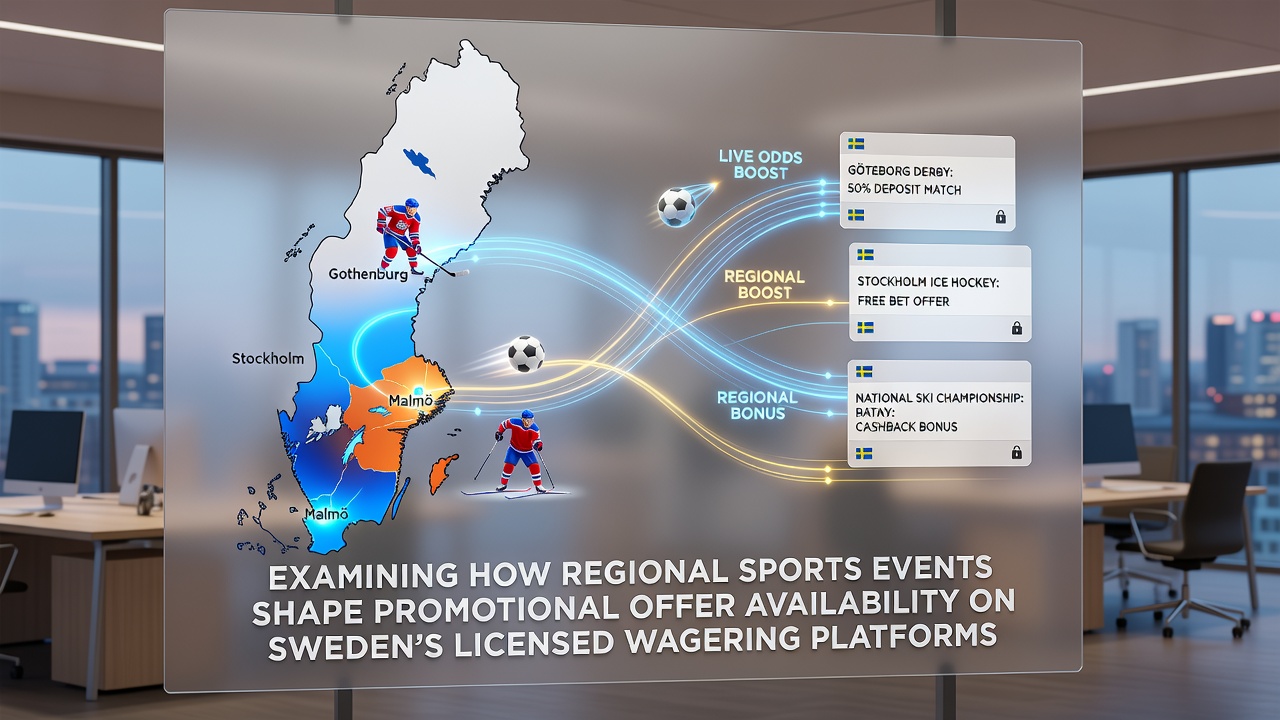
Examining How Regional Sports Events Shape Promotional Offer Availability on Sweden's Licensed Wagering Platforms
Regional sports events in Sweden create measurable shifts in promotional structures across licensed wagering platforms, and data from Spelinspektionen shows these changes align with fixture calendars in leagues such as Allsvenskan and SHL. Operators adjust offer parameters including stake multipliers, cashback percentages, and conditional free bets when local derbies or cup ties approach peak attendance periods, while regulatory reporting requirements remain constant regardless of event intensity.
Regulatory Framework Governing Offer Adjustments
Sweden's licensing system requires operators to submit marketing plans that detail how promotions respond to seasonal demand, and records indicate that regional events trigger temporary expansions in eligible markets without altering core responsible gambling thresholds. Platforms must document every modification through the national self-exclusion register integration, which maintains uniform standards even as event-driven campaigns increase in volume during concentrated match windows.
Patterns Observed During Domestic Football and Hockey Seasons
Analysis of platform activity reveals that Allsvenskan home fixtures in mid-sized cities correlate with higher availability of accumulator boosts and enhanced odds on regional teams, whereas SHL playoff rounds produce elevated cashback thresholds tied to minimum stake volumes. These adjustments appear in operator filings submitted quarterly, and figures reveal that promotions tied to specific venues activate earlier when ticket sales data indicate strong local interest. Observers note that desktop interfaces often display these offers first, while mobile apps roll out identical structures within hours of the initial announcement.
Device-Specific Delivery and Timing Variations
Researchers tracking user sessions across licensed sites have documented that promotional banners linked to regional events surface more frequently on mobile applications during evening hours surrounding match days, while desktop versions maintain longer visibility windows extending into the following week. This distribution pattern holds across multiple operators and aligns with traffic analytics that show increased session lengths on match evenings. One study covering the 2025 season found that notifications pushed to registered users within 48 hours of a derby match carried conditional terms that required both a qualifying deposit and participation in at least one in-play market.
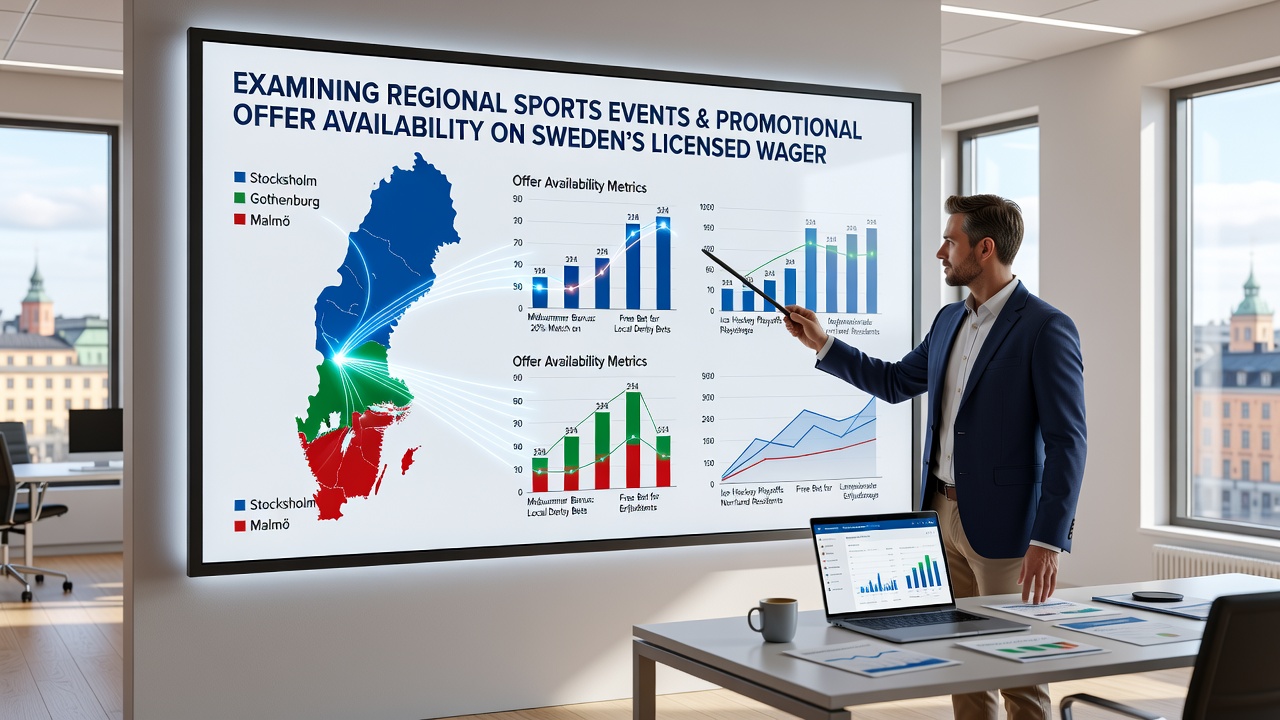
November 2026 Fixture Calendar Implications
The November 2026 schedule includes multiple mid-week cup ties across southern and central Sweden, and preliminary operator disclosures suggest these dates will coincide with expanded welcome package eligibility windows that extend standard deposit match periods by three additional days. Historical data from similar clustered fixture periods indicate that platforms increase the number of eligible sports markets while keeping maximum bonus caps unchanged, thereby distributing risk across a broader selection of regional encounters rather than concentrating on national team games.
Cross-Platform Consistency Requirements
Licensed operators must ensure promotional availability remains equivalent between web and app environments under current guidelines, and compliance audits conducted by independent reviewers confirm that regional event triggers do not create disparities in redemption rates. When a local ice hockey series reaches decisive games, the same stake-to-bonus conversion ratios apply across both access points, although push notification timing differs to match typical user engagement peaks on each device type.
Conclusion
Regional sports events continue to influence the timing and scope of promotional structures on Sweden's licensed platforms through predictable calendar-based adjustments that remain fully documented under existing oversight. Data collected through 2026 will further clarify how fixture density affects offer layering without modifying the underlying regulatory parameters that govern all campaigns equally.