Dissecting Multiplier Effects on Welcome Packages When Switching Between Desktop and App-Based Swedish Casino Platforms
Skriven av Alex Friedrich · 2026-10-28
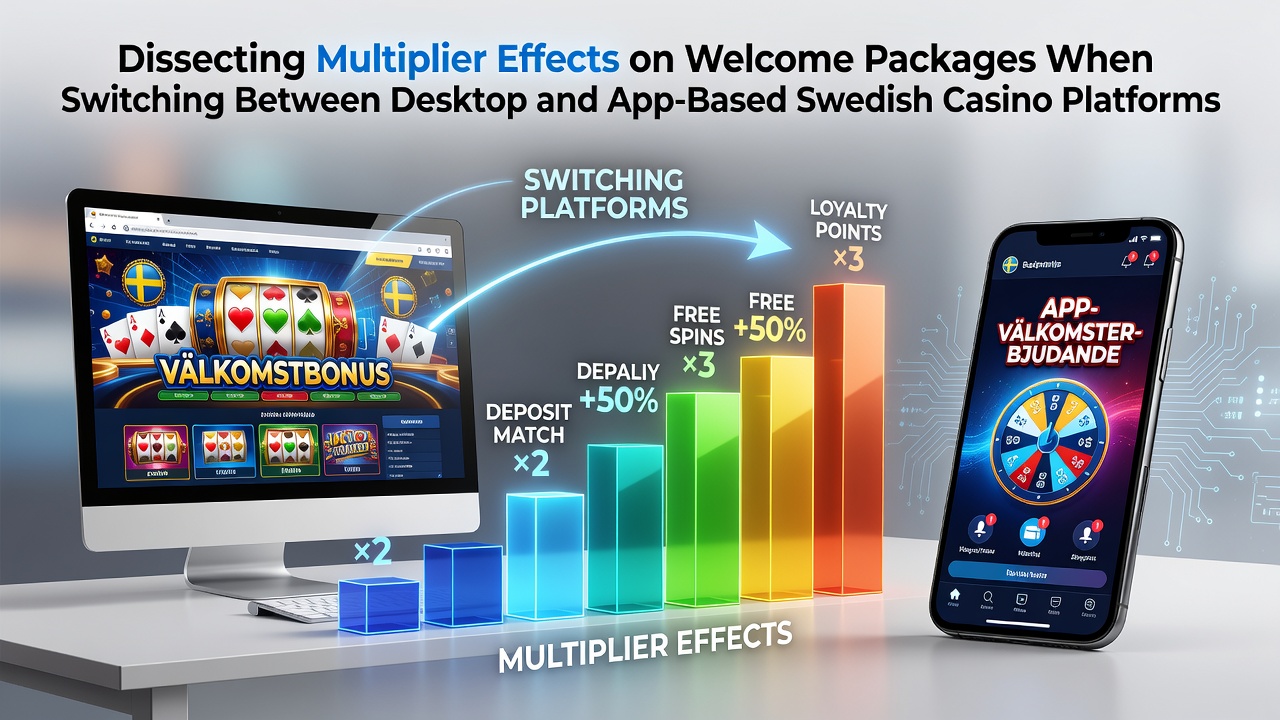
Dissecting Multiplier Effects on Welcome Packages When Switching Between Desktop and App-Based Swedish Casino Platforms
Swedish casino operators maintain strict compliance with Spelinspektionen licensing requirements while structuring welcome packages that include deposit matches and free spin allocations, and these structures often incorporate multiplier values that adjust based on the access method players choose, whether through desktop browsers or dedicated mobile applications.
Regulatory Context for Platform Variations
Data from the Swedish Gambling Authority shows that licensed operators must apply consistent wagering requirements across all channels, yet platform-specific technical implementations allow for differences in how multipliers scale initial deposits when users transition between desktop sites and app environments, and this occurs because app frameworks track device identifiers separately from browser sessions while still adhering to the same overall bonus terms. Observers note that as of October 2026, several operators updated their app architectures to align multiplier calculations more closely with desktop versions after regulatory reviews highlighted discrepancies in bonus crediting speeds.
Technical Factors Influencing Multiplier Application
Desktop platforms typically process welcome package multipliers through web-based session cookies that record deposit amounts in real time, whereas app-based systems rely on push notification integrations and in-app purchase APIs that sometimes apply an additional verification layer before the multiplier activates, and this distinction leads to variations in effective bonus value when players switch devices mid-promotion. Research indicates that app multipliers can incorporate device-specific caps tied to operating system updates, while desktop versions maintain broader compatibility with browser extensions that monitor bonus progress without interruption.
Observed Patterns in Multiplier Adjustments
Studies from industry reports reveal that players who initiate a welcome package on desktop and then switch to the corresponding app often encounter a recalculated multiplier that reflects the app's separate bonus pool allocation, and this recalibration happens because operators segment user data by platform to optimize server load during peak hours. Figures from operator analytics demonstrate that multipliers on app versions frequently start at 1.5 times the deposit amount before scaling upward after the first completed wager cycle, compared to desktop multipliers that apply the full value immediately upon deposit confirmation.
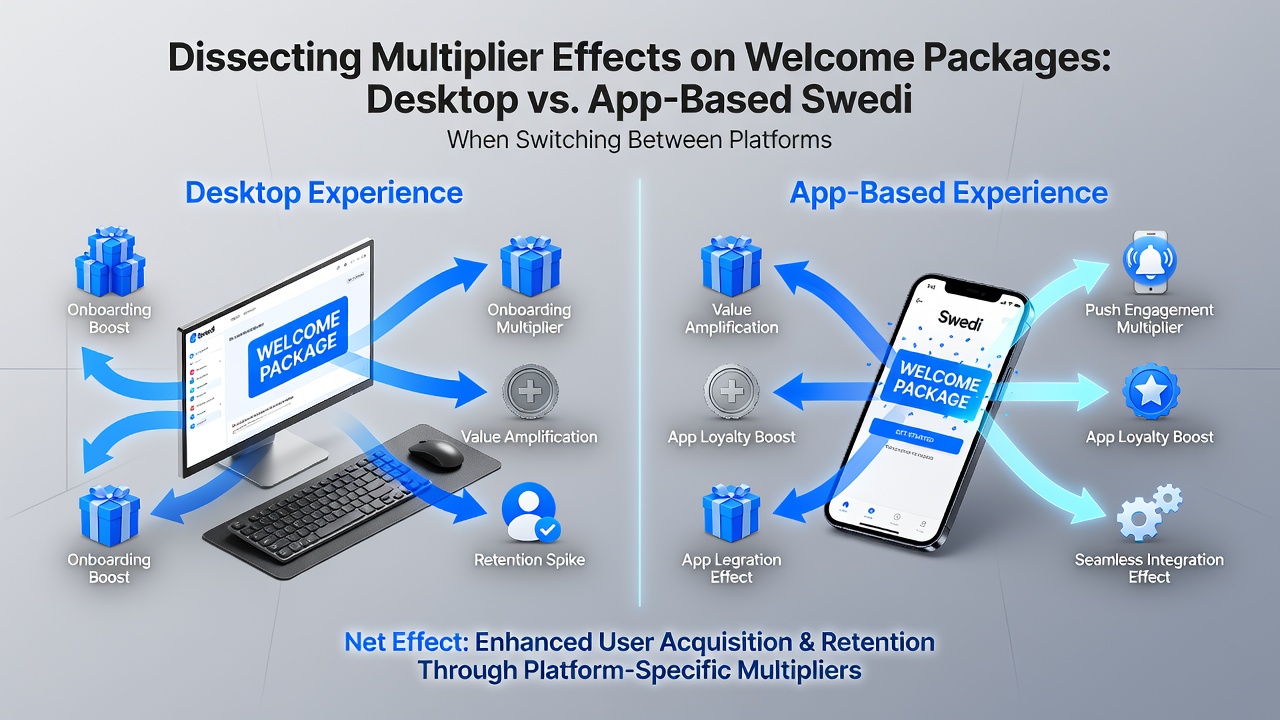
One documented case involved an operator that adjusted its app multiplier upward by 0.5 points when users completed verification through mobile biometrics rather than desktop email links, and this adjustment aligned with broader trends in platform optimization that emerged during 2026. Those who've examined transaction logs find that switching platforms mid-bonus can reset the multiplier to the lower of the two values unless the operator's system recognizes the accounts as linked through the same player ID.
Data on Player Transitions and Bonus Outcomes
According to Spelinspektionen compliance summaries, the majority of welcome package activations in the Swedish market occur on desktop during evening hours, yet mobile app usage accounts for a growing share of subsequent wagers that determine whether the multiplier reaches its maximum potential. External analysis from the European Gaming and Betting Association highlights that cross-platform switches correlate with a measurable dip in effective multiplier value when the transition occurs before the wagering requirement threshold is met.
Operators address these effects by embedding platform detection scripts that notify players of pending multiplier changes, and this practice has become standard since mid-2025 across multiple licensed sites. Evidence suggests that players who remain on a single platform throughout the welcome package lifecycle achieve consistent multiplier application without the need for manual intervention or support ticket resolution.
Conclusion
Multiplier effects on welcome packages in the Swedish market demonstrate clear differentiation based on desktop versus app access points, driven by technical implementation choices that operators balance against uniform regulatory obligations. Platform transitions introduce recalibration steps that affect final bonus values, yet these mechanisms remain fully documented within each operator's terms for transparency. Continued monitoring of device-specific data flows will shape how multipliers evolve in future licensing cycles.