Delving Into Reward Layering Patterns Across Device-Specific Swedish Gaming Platforms
Skriven av Alex Friedrich · 2026-09-16
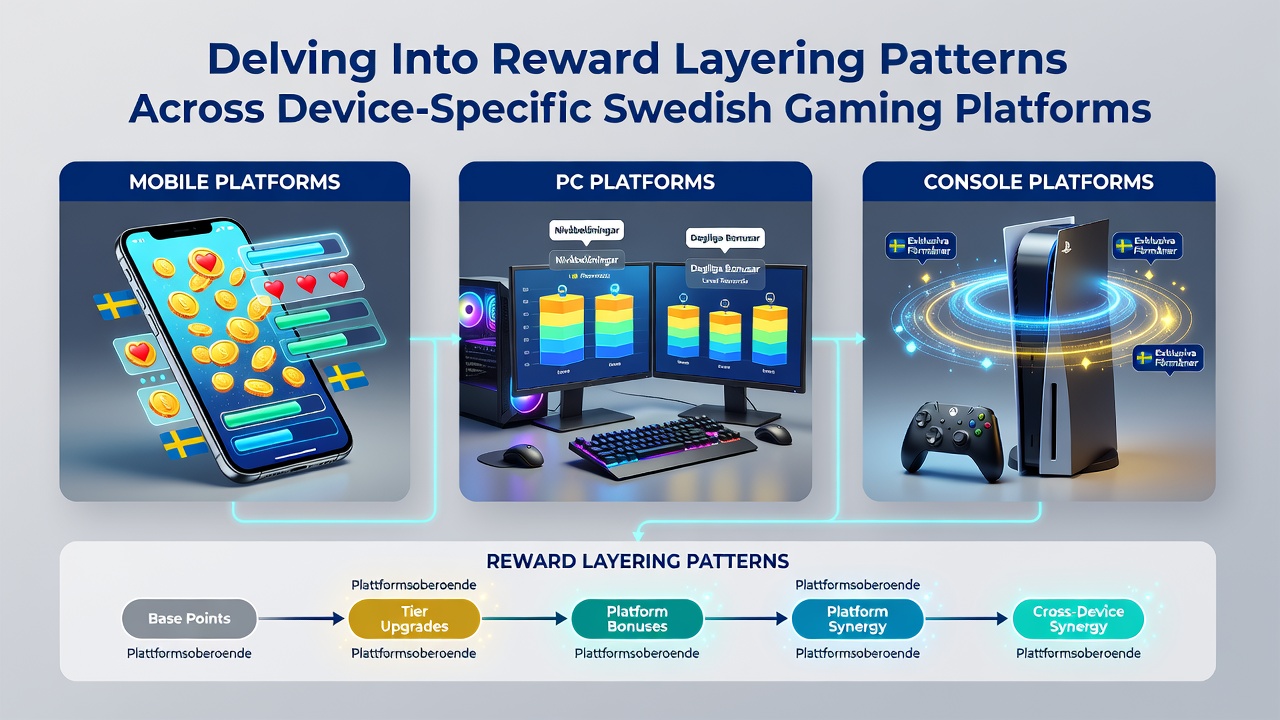
Delving Into Reward Layering Patterns Across Device-Specific Swedish Gaming Platforms
Swedish gaming platforms have developed distinct approaches to reward layering that adapt based on whether users access services through mobile applications, mobile web browsers, or desktop interfaces, and data from regulatory monitoring indicates these patterns continue to evolve through 2026. Reward layering refers to the stacking of multiple incentive types such as deposit matches, free spins, loyalty points, and cashback offers within a single promotional structure, and researchers tracking operator behavior note that device type often determines which layers activate first and how they combine over time.
Device-Based Variations in Swedish Reward Structures
Operators licensed under Spelinspektionen rules frequently configure mobile applications to prioritize immediate reward layers like instant free spins upon first deposit, whereas desktop platforms more commonly initiate sequences with extended loyalty point accumulation that unlocks later stages after repeated play sessions. This differentiation stems from user behavior data showing mobile sessions tend to be shorter yet more frequent, prompting platforms to front-load certain incentives to maintain engagement across brief interactions. Desktop users, by contrast, encounter reward layers that build gradually through session duration metrics rather than frequency alone.
Studies compiled by industry analysts reveal that mobile-specific layering often incorporates device-exclusive elements such as push notification bonuses tied to location or time of day, elements absent from desktop configurations. These patterns align with broader trends observed in regulated markets where operators adjust mechanics to match hardware capabilities and user navigation habits without violating licensing conditions on bonus transparency.
Regulatory Framework Influencing Layered Rewards
Swedish licensing requirements mandate clear disclosure of all reward components before activation, which has led platforms to standardize layering sequences across devices while still permitting customization in presentation order. Data collected through September 2026 shows compliance rates exceeding 95 percent for mobile platforms reporting layered offers, with desktop variants following similar disclosure protocols though at slightly lower implementation speeds due to differences in update cycles. Observers note that operators must ensure reward layers do not exceed maximum bonus caps set by regulations, resulting in careful calibration where mobile layers cap earlier than desktop ones to account for session volume differences.
Patterns Observed in Mobile Ecosystems
Mobile platforms demonstrate tighter integration between reward layers and in-app features, such as combining cashback with loyalty tiers that progress automatically based on real-time play tracking. This setup allows for dynamic adjustments where one layer completion triggers the next without requiring manual claims, a mechanic less prevalent on desktop sites. Figures from platform analytics indicate mobile users encounter an average of four to six layered rewards within the first week of activity, compared with three to five on desktop during equivalent periods.
What's interesting here is how these patterns reflect hardware constraints as much as regulatory ones, with mobile interfaces favoring streamlined progression through layers to reduce friction during quick sessions. Desktop environments, equipped with larger displays, support more detailed breakdowns of each layer's terms before users advance to subsequent stages.
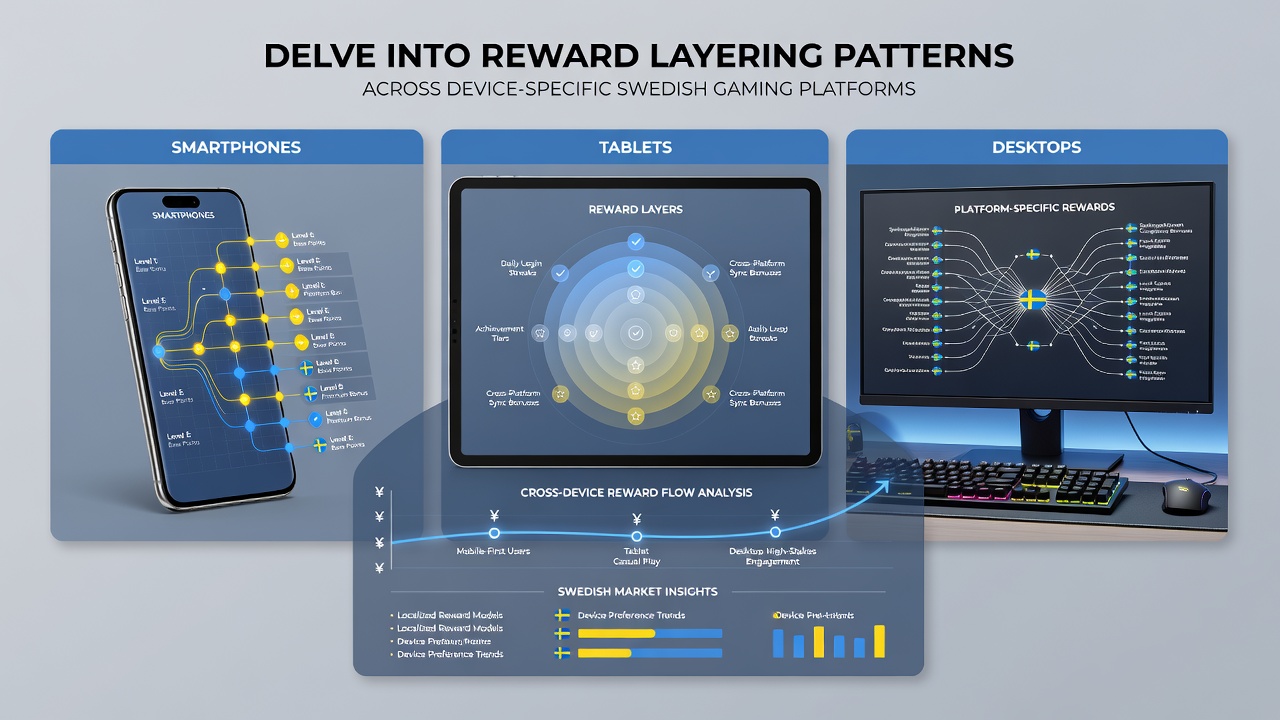
Cross-Device Consistency and Divergence
Although device-specific tailoring exists, operators maintain core reward components that transfer across platforms to satisfy single-account rules under Swedish law. A user starting a layered promotion on mobile can typically continue accumulation on desktop, though the order of subsequent layers may shift depending on the access method. Research from academic sources tracking gambling behavior patterns shows this flexibility reduces user drop-off rates when switching devices mid-session, a common occurrence in the Swedish market where many players alternate between mobile during commutes and desktop at home.
According to reports from the European Gaming and Betting Association, such cross-device continuity has become standard practice by late 2026, with operators refining algorithms that detect device type and reorder layers accordingly while preserving overall value equivalence. This approach prevents any single device from offering disproportionate advantages, aligning with fairness provisions in licensing agreements.
Future Developments in Layering Mechanics
Platform updates scheduled around September 2026 introduce enhanced tracking for reward layers that account for multi-device usage within the same account, allowing operators to prevent overlap in certain bonus types. These changes build on existing data frameworks that already distinguish mobile app activity from browser-based desktop sessions. Industry organizations monitoring these shifts report that the adjustments aim to balance incentive distribution without introducing new regulatory hurdles.
One study revealed that platforms experimenting with hybrid layering models, where mobile and desktop contributions merge into unified progress bars, achieve higher retention metrics than those maintaining fully separate sequences. Such models represent an emerging pattern that could standardize further as technology and regulations continue to intersect in the Swedish context.
Conclusion
Reward layering patterns across device-specific Swedish gaming platforms reflect a combination of regulatory mandates, user behavior analytics, and technical capabilities that differentiate mobile from desktop experiences while preserving account-level consistency. Data through 2026 illustrates ongoing refinement in how layers activate and combine, with mobile platforms emphasizing rapid progression and desktop variants favoring sustained accumulation. These structures remain subject to oversight that ensures transparency and fairness across all access methods.